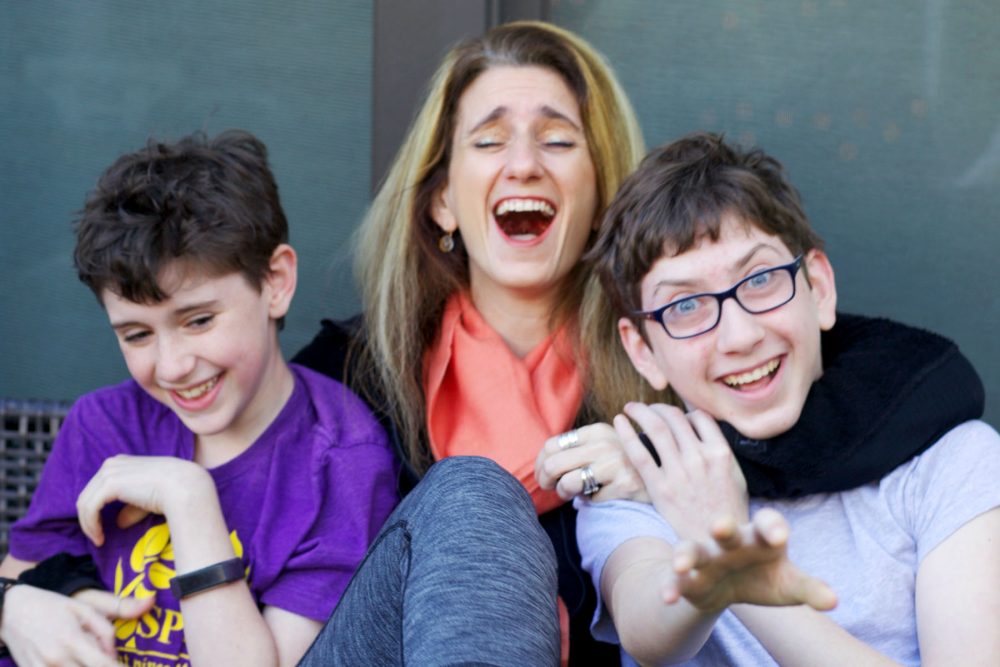
Magic I Saw this Week: This week passed so quickly for me that I can’t remember most of it. My manager said some very kind words this week and he’s trying really hard for me to appreciate how appreciated I am. Working on it. David’s attitude and approach to life is magical to watch. Photos from Nathaniel’s camp were magical. And Jake is the biggest provider of magic in my life always.
Magic I Made this Week: I haven’t done much this week I’m afraid. Still hoping to do one more vacation in the summer but booked nothing this week.
Magic of Me that I explored Week: not much here this week either. But I did sign up for a class which will help with this.
Top Goals Review:
Work: did one more turn of crank on PM summit plan, did IO follow up, did not do one round on site, did perf.
Personal: did daily drawing, did not journal, and intermittently did yoga, sleept so so, halfway back to routine, have had no gluten. did not make exercise plan or food diary.
Family: did not do much more broadcom and did not figure out summer #2, did not book final camps. celebrated nathaniel. prepped david for spain. prepped Nathaniel for camping. Prepped David for Cal Science Fair. hugged family a lot.
I celebrate: Nathaniel’s wonderful class trip and David’s incredible journey to Spain.
I am grateful for: a positive perf this season.
This week, I exercised: 2 days of body pump and 3 days of yoga this week.
Self-care this week: not a lot this week.
I showed up for: david’s class as i am working on their year-end slide show.
Weekly Intention: This week will be a bit broken up. Nathaniel and I are going to Orlando to celebrate his tenth birthday. When David turned ten, I surprised him with a trip to Harry Potter Land so as soon as he was old enough to understand what that means, Nathaniel’s been counting the days down to his tenth birthday and it’s finally here. He and I will be there until Wednesday and then I have work on Thursday and Friday. So here’s my intention for this week: I will be super present with Nathaniel, I will celebrate him and make sure this trip is special for him. I will then come home and be present at work. I look forward to both my vacation and my work.
This month’s intention is:Making Magic: Go on adventures. Take trips with your family, make small and big bits of magic in your life. So I booked one vacation for summer, woot! and booked 3 weeks of camps, too! I have one more vacation on my list. Then 2-3 more camps. I might then be done with summer, magically. As for April, we’re making Magic for Nathaniel this week.
One way I will show up this week: I am going to work hard to make Nathaniel as happy as I can.
One magic I will make this week: Harry Potter land here we come!
This week, I will pay attention to: Nathaniel. My little boy is turning double digits!
This week, I will be kinder to: Nathaniel and also maybe take some time for myself if i can.
This week, I will focus on pleasing: Nathaniel. It’s his week.
One new thing I will learn this week: Hmm maybe how to draw a little better?
I am looking forward to: 1-1 time with the little boy.
This week’s challenges: I am keeping an open mind. Thursday and Wednesday will be long days and two all-day travels but still I am hoping nothing will be particularly challenging.
Personal: daily drawing, journal, and yoga, sleep. Make some new exercise plan. Make food diary, too.
Family: broadcom, figure out summer #2, book final camps. celebrate nathaniel. prep david for spain. prep Nathaniel for camping. Prep David for Cal Science Fair.
I will focus on my values:
Love: Love this magical life I am given and worked so hard to make.
Learn: learn to really pay attention and be grateful.
Peace: peace with all that’s going on.
Service: my kids who have a lot going on in the next few weeks.
Gratitude: for being so healthy so much of the time.
This week, I want to remember: that i am so lucky to be so loved and so appreciated.
Everyday Magic is a year-long project for 2019. You can read more about my projects for 2019 here.
Magic I Saw this Week: This week was full of magic. Most of all the magic of nature and laughter and togetherness. We went away on a short vacation and it was wonderful.
Magic I Made this Week: I took time off, read a lot, played some games, took a vacation with my family, went to seder dinner at my cousin’s, hiked some and rested a lot.
Magic of Me that I explored Week: Well can we count the art and yoga. Though I was pretty sick last week so I skipped 4 days of yoga. but I drew every day. I am trying pretty hard.
Top Goals Review:
Work: I’ve been doing the occasional email checking, pretty quiet thankfully. Personal: i’ve done daily drawing, a little journaling, not enough yoga. i’ve slept a bunch and as a bonus, i did a bunch of scrapbooking too. Family: making progress on broadcom, booked vacation #1, booked three camps, rested, hugged my kids a lot. hugged my husband a lot, too.
figure out summer, book camps. rest, hug kids, hug kids some more.
I celebrate: booking our summer vacation (hopefully.)
I am grateful for: a little time away together as a family.
This week, I exercised: i did yoga for two days, this was likely the lowest week as I was sick last weekend and then only did yoga one of the nights we were away. we did go hiking for three days, though.
Self-care this week: took a lovely bath this week. took vacation. read and drew and just tried to be kind to myself.
I showed up for: our family.
I said yes to: unplugging from work and being present.
Weekly Intention: This week is a bit more intense at work unless things change last minute. I have long, full days and I still have to do some of the work I didn’t do last week. I have to go to the kids’ school once, too but not at night thankfully. I also know there’s rain forecasted. My intention this week is to take it slow and listen with openness. Listen for the learnings. Don’t make stories, especially ones that don’t serve me.
This month’s intention is:Personal Magic: Time to slow down again and be intentional. This month think about yourself, what you have to offer to the world, what makes you, you. What’s unique and personal. Show up as your best self. This month is not about improving but owning. From February, on my plate still is: spring break, Nathaniel’s birthday trip, and summer vacation. Ok being that this is the last week of March, I feel it’s time to bring this home. Some journaling is called for here.
One way I will show up this week: I will try my best to be efficient this week.
One magic I will make this week: i am going to see a colleague at work whom i haven’t seen in a long time.
This week, I will pay attention to: my positive stories.
This week, I will be kinder to: my children.
This week, I will focus on pleasing: the kids, they both have the tech challenge this weekend.
One new thing I will learn this week: more about me per my march goal.
I am looking forward to: getting a few longer term things done.
This week’s challenges: i might potentially have jury duty on Friday, I really hope it won’t be the case.
Top Goals:
Work: write two of the docs, keep up with email, finish last perf.
Personal: daily drawing, journal, yoga, and take time for me.
Family: tech challenge, science fair + registration, math with N, cook dinner, work with D. Lots of time with love of my life.
I will focus on my values:
Love: love for my kids who are struggling.
Learn: about me.
Peace: peace with having a bit more of a schedule this week
Service: my boys.
Gratitude: gratitude for how things are.
This week, I want to remember: that life is not a destination, that there’s no one direct path to get on, that there are ups, downs, goods and bads. And to really focus on the magic of it all.
Everyday Magic is a year-long project for 2019. You can read more about my projects for 2019 here.
Weekly Intention: This week will be a bit more hectic than last week was but hopefully not a lot. My intention this week is still to go slow. Be home as often as possible, journal, be grounded, listen and try to pay attention.
This month’s intention is:Seeing the Magic: Pay attention to your life. Make note of all the magic around you. See the people who love, cherish, and honor you. Thank people, show them that you see them. Still going strong on the letters. Maybe I can add one new thing this week.
One way I will show up this week: I will try to be kinder this week. Listen with the intent to help everyone I meet with.
One magic I will make this week: I didn’t get to do art at night during the week last week so I am going to see if it can be this week’s magic.
This week, I will pay attention to: how to handle myself better in the evenings when I am tired and worn out.
This week, I will be kinder to: people at work. let’s see if it makes a difference in how i feel.
This week, I will focus on pleasing: nathaniel. let’s see if i can focus on him.
One new thing I will learn this week: i didn’t pick an online class last week :/ this week i will figure out what math to teach Nathaniel.
I am looking forward to: getting my hair done.
This week’s challenges: getting all the routines decided and set at work.
Top Goals:
Work: review 2019 plans, get meetings on calendar.
Personal: keep up with journaling + art + yoga, pushups, gym.
Family: start physics with david. find math with nathaniel. cook for Jake. family photos and celebrations.
I will focus on my values:
Love: stay grounded, show my love more. say kind words. celebrate others. show them why they are awesome.
Learn: go back to doing art again. just for you.
Peace: peace with moving slower than I would like to.
Service: service to work this week, getting things going.
Gratitude: gratitude for my mom’s checkup results being well.
This week, I want to remember: that how I spend my days is how I spend my life.
Everyday Magic is a year-long project for 2019. You can read more about my projects for 2019 here.
I had regular goals for my blog in 2018 and that worked well for me. Here’s some of what worked well and what worked less well:
Art projects: I didn’t have any specific art goals for 2018 and thought I would do whatever I could. That didn’t work well. I ended up doing very little art in 2018 so for 2019 I decided to make specific goals and see if I can do better.
Stronger Than Before and Weekly Reflection posts were my favorite and helped me stay connected to my goals, keep track of my intentions.
Stories from 2018 was a great way to ensure I celebrated many moments from this year. I love going back to these and re-visiting my year, and I love that I even did a bit of scrapping with these. I didn’t end up doing 52 of these but I am okay with that.
Reading – I read like mad this year. Mostly audiobooks and I loved it.
Moments from This week: even though this also became less ambitious than my original goals, I’ve loved making this book. I love seeing it and having it.
So all in all, 2018 was less solid than 2017, partly because my work is a lot more in the office now so I have less time than I used to. I am working on adjusting this for 2019 so I am going to make much more ambitious goals for 2019 and we’ll see if I can rise to them. I still put this year in the win category!
For 2019, I decided to keep the same structure, mostly:
Monday: Everyday Magic: This is the same as Living Intentionally posts I’ve been doing. I want to think purposefully each week and set goals, choices, projects for just that week. I try to write these on Sunday nights. These help me be more mindful. They will also help me identify ways in which i can see, make and appreciate my magic. [Making Magic, Magic of Me]
Tuesday: Stories from 2019: My plan for 2019 is to mix these with lightweight scrapping this year and see if that’s good or bad, we’ll see. [Seeing the Magic]
Wednesday:Books This Week – I will talk about the books I read this week. This year, I’m also entertaining the idea of keeping track of them in goodreads. We’ll see if I can keep that up. [Making Magic]
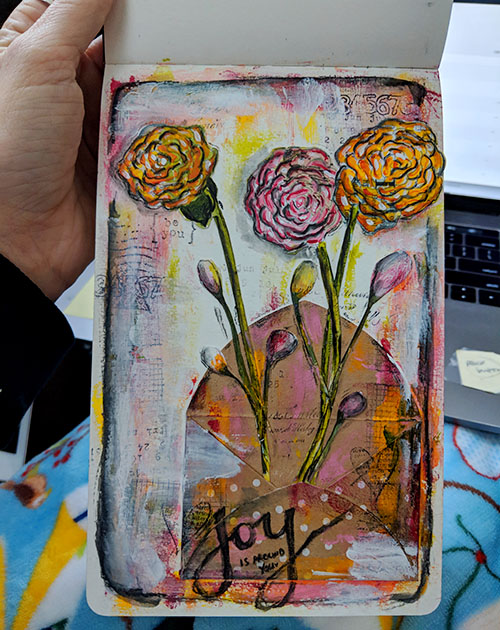
Thursday: Joy of Art – I am really hoping to do more art in 2019. This is the day of the week I plan to share those. It might be sketching, Life Book assignment or anything else I decide. Let’s hope I can make it happen. [Making Magic]
Friday: Moments of Gratitude – This is going to be the same as Moments from This week but very much gratitude focused. We’ll see if i can make it happen. [Seeing the Magic]
Sunday: Weekly Reflection: This, too, is the same as 2018. These posts help me to reflect on what worked and what didn’t work so I can set proper intentions for the following week. [Seeing the Magic, Magic of Me]
These are the only weekly projects I will commit to. And even these I might do more irregularly, we’ll see. These all mean something to me and I’d like to do them and I believe almost all are pretty doable. We’ll see what surprises 2019 has in store for me. I will also attempt to do some personal thought posts since I love those but I don’t want to commit to it regularly.
All of these might happen, none of them might happen. I might repeat projects. I might do wildly different things. I am giving myself grace while trying to keep myself motivated.
I’ve also signed up for a few classes to start the year:
Here’s to a wonderful 2019. Here’s to doing more art. Here’s to making time to enjoy art. Here’s to learning new things. Here’s to practicing more. Here’s to reflecting. Being intentional. Creating a positive cycle. Here’s to seeing, making and appreciating my magic.
As with all the previous years, I knew I wanted to pick my core desired feelings this year, too. If you want to know more about core desired feelings, please go to my post from 2016 and you can see the links there.
I did the exercise this year as I do each year but I was actually feeling not my best self this year when I did them so I am not sure how much I like my answers. So I wanted to focus on how I want to feel this year. What are the feelings I am cultivating? If I get an offer of an opportunity, what are the questions I want to ask myself so I can make a decision around whether I say yes or no? How will I know if this action will make me feel what I want to feel?
I mentioned before that there’s a pattern to my words: I always pick something around peacefulness, something around being brave, something around being open, and then maybe a few new ones. So this year I was curious if I would break the trend.
Here’s what I came up with this year and what they each mean to me:
Embrace: This is a new word for me. Does this help me embrace who I am? Does this help me embrace my life? Does this help me feel connected to who I am? Is this me stepping into my own power?
Alive: I’ve had this word before but it felt imperative that I pick it this year. I spent a lot of 2018 not feeling alive. I want to go on adventures. I want to feel my days. I want to feel a decision in my bones. I want to own my life. I want to show up for it. I want to be here. Does the idea of this action make me come alive? Does it make me full, excited, a bit scared? Does it make me smile big and give me butterflies in my stomach?
Lighter: I think I am picking this word again this year. I love thinking about if a particular action makes me feel lighter. Do I feel more or less burdened by something I do? Does this help me put down something I’ve been carrying? Does it help me get closer to peace and contentment?
Kind: I want to be kind. I want to take actions that feel kind. Towards other people and towards myself. I want to make sure I am being my kindest self. Will saying yes to this make me feel kind to both the other person and to myself? It’s easy to be kind to others and then walk right through my own boundaries so this word needs a balance.
So there we are. I guess we still have a trend. Embrace and Lighter and my peace and true words, kind is my open word and alive is the brave one.
I love all of these. Most importantly, I can immediately connect with the feeling I get when I say these words. I feel full. I feel content knowing these are the words I want for myself. They don’t feel like a lot of work and they feel joyful. Which is the sign that they are the right words for me right now. I want to feel all of them and I want to make a point to look at my life and my choices through these lenses next year. Here’s to embracing who I am and feeling alive, lighter, kinder in 2019!
ps: After writing all this up, I’ve had the word “surrender” come up several times in my life in a single week. The first time I heard it, I felt it in my bones. And then it kept happening. I am not sure why now but I have decided that it is going to have to be a companion word for me this year. Maybe the universe is telling me I have to surrender to make any of this possible. And when the universe speaks, I listen.
I want to start by saying that this, too, is going to be a VERY long post. These reflective posts are how I make sure to live my life intentionally. They matter to me and I love being able to look back on them in future years. I know that this might not be interesting to many (if not any) of you, so please feel free to skip it. If some of you find it interesting, all the better.
This particular exercise is following Susannah Conway’s Unraveling 2019 sheet. You can download it right here. I split the reflective questions looking back on 2018 in and the questions to help clarify goals/dreams for 2019 into two posts. This is part II, the 2018 reflections are here. All questions are Susannah’s and are copyrighted to her.
First, choose a word to guide you through the next 12 months. Pick a word that makes you feel expanded. Encouraged. Inspired. There’s no right or wrong answer so go with your gut. What’s your Word for 2019? Magic.
If you lived and breathed your Word every day in 2019, what would be different for you? I would be able to see the magic in my daily life and embrace who i am and what my life is wholeheartedly and feel its enoughness. I would create more magical moments for myself and my family. I would be grounded in the difference of what magic looks like to me specifically and I would embrace that wholeheartedly. There are three parts to this word for me: seeing who i already am and really owning my own magic, seeing the magic in my own life, my people, my surroundings, and really appreciating it and finally adding more magic to our lives, small adventures, moments of wonder, etc.
List some ways you are already experiencing or embodying this Word:
I am taking the moments to be intentional about my life
I am taking time to reflect and be grateful at the end of each week
I have changed my instagram to be more full of things that are meaningful to me and encourage me to embrace my magical self
I have taken the time to make magical moments for my family, for my kids, for jake.
What could you do this year to bring more of your Word into your world?
Definitely more journaling
More baths, and times to really connect with myself
Reading and learning more about positivity messages
Looking for the good specifically, listening for the good, taking note of the good, spending time focusing on the good, celebrating the good.
I could bring back the weekly celebrations
I could designate one day a month to be making magic day where i go out of my way to do something magical for myself or someone else.
I could write weekly magic notes to myself and to one other person
I could keep a year long gratitude practice
I could make a magic jar to keep all the magical moments from this year in it so I can look through at the end of the year
I could make a “make magic” list and do them this year
I could watch the sun rise/set, and go to water more often
I could capture magic more often and then document it
I could do a day in the life/week in the life through the eye of everyday magic
I could look through my old blog entries and see how I define magic
I could buy clothes/makeup/skincare that makes me feel magical
I could buy a few small pieces for my home that make me happy and remind me of the magic
I can call my mom daily again.Maybe do a project with a friend where we email each other once a week about our magical moments from this week?
Choose four extra words to support your Word this year. They could be anything from inspiring words to names of people to things you want to invest in… Currently leaning towards: open, ease, embrace, color, but not sure yet. [open more, feel lighter, add color, embrace you] I ended up with: embrace, lighter, kind and alive.
What are you looking forward to in 2019? Making peace with myself, focusing on the good, and really appreciating the textures of my life.
What are you feeling apprehensive about?All the transitions: to high school, middle school, figuring out what’s next at work, etc.
What life lessons are you taking with you into 2019? That life changes every year, in unpredictable ways (in addition to the predictable ones, of course.) and that life is so much easier if i lean into it. Lean into who i am, who jake is, who my kids are and who my family is. Leaning into what is makes it so much easier to appreciate life and even to make change.
What area of your life do you most want to develop in 2019?Self-acceptance -> self love -> kindness.
What part of yourself do you yearn to nurture in 2019?Let’s go with all parts 🙂
Fast-forward to December 2019. You’re sitting in a cafe?, musing over the last 12 months. Where do you want to be…
in your head? (work, dreams, goals)
Confident. Figured out what I want to be doing next, made a dent in that direction and have some destination/goal in mind. Feeling good about the decisions i made.
in your heart? (relationships, family, friends)
Feeling lucky. Fostered the relationships that matter to me, shed the ones I don’t care about, I am kind to everyone and spend a lot of wonderful time being with the people i love.
in your soul? (beliefs, practices, self-love)
At peace. Shed the beliefs that don’t serve me, embraced who I am deeply, and see+honor the magic in myself and others, created practices that help me stay grounded, content and at peace.
in your physical world? (home, health, hobbies)
Hmm i’d love to do one more round of cleaning stuff up in my home and feeling it with things that make me feel magical and getting rid of things that don’t. For my health, I’d like to seriously move into intuitive eating and more intuition in connecting with my body in general. I’d love to keep the consistent practice of yoga/strength/pilates training. And skin care, etc so I am honoring my body. As for the hobbies, it’s all about seeing the magic (scrapbooking, journaling) and making magic (art) for me. Maybe also climbing more to share in my family’s magic.
Okay, let’s take it up a notch. Use this page to describe what 2019 looks like in your ideal world. Be specific! What are your dreams for love this year? Work? Play? Where are you hungry for change? How do you want 2019 to FEEL? Use your answers from the previous pages to craft your ideal vision for the next 12 months. What would saying YES to your life look and feel like? Write out everything your heart desires for this new year. Be bold.
Well it would feel magical 🙂 I am deeply content. I am honoring who I am and stepping into it. Celebrating my strengths and working on my weaknesses but not because I am not good enough, because I would like to grow. I stay in more regular contact with the handful of people who really make a difference in my life. I foster a few new connections to see what might be there. I make more time to go to book club. I journal regularly, i make time daily to be grateful, i make time daily to hug my people and tell them the magic i see in them, i honor the good in myself and in others but I don’t just see it, i also acknowledge it and say it out loud. I care for my body out of love and appreciation. I connect with my own feelings and body and soul. I choose wonder, take a few chances. I go on dates with my husband and dates with my kids, too.
List 3 unhelpful beliefs about yourself you’re ready to release
A lot of beliefs around my body, worth, looks, etc.
It’s too late for me to be successful at work.
That I have to change to be worthy.
List 3 duties or commitments you feel ready to let go of in 2019: I did a good job of removing much of this from my life. I genuinely don’t feel like there’s something I can think of at this moment.
List 3 skills you’d like to learn or improve in 2019
I definitely would like to get back into sketching and art.
I’d love to do much more climbing so I can join my family more often
Meditation, i know it leads to so much of what I seek.
List 3 books you intend to read this year: as always, i know i will read many.
How could you bring more calm into your life (and head) this year? I think the combination of journaling, meditation and connecting with those i love will help. Self affirmations, wearing/eating what i love, hugging people i love will help too.
List 3 things about yourself you positively love
My energy (when i am not triggered, i am always so excited)
My relentless pursuit in learning, growing, trying
My deep love for the people i love
That i am organized, reliable & dependable
List 3 ways you could be kinder to your body this year
I did a better job taking care of my skin this year but not my teeth so i could be kinder there and of course still even kinder with my skin.
I could just embrace the body I have, love it and be grateful for it.
I hope to move to intuitive eating and just be kinder in my nourishment of my body
Also I want to do more stretching, massage, and yoga
List 3 ways you could connect with loved ones in 2019
Weekly email with a friend is a lovely start for me. Also monthly in person meetings.
Go to both book clubs more regularly.
Call mom daily, nephews/sister weekly.
List 3 people you could extend compassion to
My sweet friend who is going through a really tough time
Myself.
And honestly, every single person in my life all the time. I just want to be kinder.
How could you bring more love into your life this year? Hmm I need to start with loving myself fully. Then date nights, gratitude, thanking others, appreciating what I have, paying attention. Celebrating wins.
List 3 interests/hobbies you would like to explore more in 2019
sketching
Art again, i feel like i fell out of the habit.
Rock climbing with my family.
List 3 ways you could feed your imagination this year
Books!
Travel to adventures i haven’t had.
Say yes to a few things I wouldn’t.
List 3 ways you could bring more passion into your world this year
Educate myself. Show up, speak up.
Hug more, say kind words out loud, appreciate others.
Take 1-1 time with the people I love.
List 3 dreams you would like to manifest this year (personal or professional)
Finding my next path at work.
Feeling deep, true contentment and connection with myself.
Letting Go, letting be.
How could you bring more creative energy into your life this year? This is a good question for me because I’ve been experiencing a dip in creative energy. But here’s what works:
go out and live life with adventures
tell those stories
start. it will be hard in the beginning. it always is.
keep going. that’s the trick.
List 3 ways you could bring more mindfulness to your mornings
Exercise + meditation + calling mom in the mornings.
Journaling for 15 minutes (to set intentions)
Sketching/Art for 15-20 minutes.
List 3 ways you could bring more mindfulness to your evenings (I added this because I want to do both mornings and evenings.)
Stretching, removing make up and flossing in the evenings.
Journaling for 15 minutes (releasing and gratitude)
Reading + disconnecting.
List 3 ways you could cherish your home this year
Buy flowers
Throw away/pack away things I am done with.
Twinkly lights, I wanted this last year but will make it happen this year.
List 3 ways you could connect more deeply with nature in 2019
Water is still the first thing i am pulled towards, go to water more. Maybe monthly beach trips.
Hiking is another thing I wish we did more.
And finally camping. We haven’t in a while. I’d love to do 1-2 trips.
List 3 places in your city, town or neighbourhood you want to explore: I have the same list as last year:
The city. We definitely don’t go there enough.
Marin. Especially the headlands.
Go to the woods more. Learn new hikes.
How could you bring a sense of groundedness into your life this year? I think the journaling and meditation will really help. I also would love to learn how to do a better job breathing. I think that, too, would really help me ground myself.
Using your favourite tarot or oracle deck, draw one card for the overall theme of the upcoming year and then a card for each month of 2019. Tip: I like to shufle 3 or 4 packs together to give the reading even greater scope. If you don’t have any decks go to www.susannahconway.com/ cards to see my favourite decks and app recommendations.
I am not into Tarot Decks and I did this two years ago and found it not to be that inspiring or interesting. However, back in 2013, our January OLW assignment involved setting intentions and I really enjoyed that, so I thought maybe I can do that instead.
January: Seeing the Magic: Pay attention to your life. Make note of all the magic around you. See the people who love, cherish, and honor you. Thank people, show them that you see them.
February: Works like Magic: This is your month to get things done. Step it up a notch at work. Step it up at home. Take the steps you’ve been meaning to take. Book those vacations, classes, etc, make plans.
March: Personal Magic: Time to slow down again and be intentional. This month think about yourself, what you have to offer to the world, what makes you, you. What’s unique and personal. Show up as your best self. This month is not about improving but owning.
April: Making Magic: Go on adventures. Take trips with your family, make small and big bits of magic in your life.
May: Quiet Magic: Time to rest a little bit before things get crazy again. By the end of this month, you have graduations, parties, transitions, culminations etc. Use the time to add some quiet to the days and really connect with the magic in your life again.
June: Big Magic: And here’s summer. Time to go big again. Add some magic to your days with your kids and husband. Take trips, add wonder and awe. If you’re going to go big once this year, this is the time.
July: Be the Magic: Settle into the summer, see the magic around you and connect with it. Step into it. Honor it. Bask in it.
August: Work Your Magic: Time to get organized again, transitions are coming, big ones this time. Get organized, plan, prepare and do what you need to do.
September: Magical Thinking: Time to let go. This is a hard month for you. Transitions are rough. But you also turn 45. It’s magical to get to have another year. It’s magical to have a high schooler and a middle schooler. Life is magical. Let the small things go and have faith that it will all work out. It always does.
October: Everyday Magic: October is a long month and not a lot of time off so you need to add a bit of magic to it. Add small bits of life and magic into your every day. Give this month the kick it needs to make it a notch more magical.
November: Magic Touch: you’re making it happen. Don’t stop now. The year is almost over. What’s one area that can still benefit from your magical touch? Give love and attention there this month. You can do this.
December: Celebrate the Magic: And finally time to rest and relax and bask in the magic of life again. You’ve come a long way. It’s time to celebrate. Honor. Be grateful. Thank 2019 for all that it gave you. Fully bask in it’s magic so you can bid it farewell.
2019 will be the year I finally connect with myself with ease.
I will nourish myself with self-acceptance.
I will make more time for journaling.
I will recharge my batteries by reading, resting, connecting.
This year I will open my heart to peace and contentment
I will pay more attention to who i am and what truly makes me come alive.
I will learn more about:
Letting go, noticing, making peace.
Intuitive Eating
High School 🙂
I will release my attachment to who i should be.
I wish for 2019 to feel comfortable in my skin, my soul, my life.
This year I will say NO to internalizing judgement.
This year I will say YES to honoring, celebrating, cherishing who i am and the people i love.
I wholeheartedly believe that everything is possible in 2019!
As always, I mention many of these same thoughts from last year and here, here, and here. I am pretty sure these themes have been in my life in some way or another for many years. I know that they will likely still be around in 2020 and 2021 and onward. What I’d like to do this year is to make a dent. To move things forward a little bit. Every forward step I take moves me in the right direction and that’s all I can ask for.
Close your eyes for a moment and imagine stepping into the shoes of you from December 2019, one year from now. You are one year older and one year wiser and you’ve lived every day of 2019 fully and completely. You have a message of encouragement about 2019. There’s stuff you want to share… stuff you’re eager to tell yourself. When you’re ready, open your eyes, pick up your pen, and write a letter from your future self, starting with Dear Karen: I am so proud of you. I know that you showed up and tried. I know that even when you had moments of wanting to give up, you got up and tried again. I am so proud of how hard you try, how far you’ve come and how you show up again and again. Keep going, you got this!
I’ve been choosing a word of the year for many, many years, now. In all that time, I’ve never really struggled when picking a word. I’ve had years where I had too many words, years when a word wouldn’t leave me alone even though I didn’t really want to choose it, years when the new word was so loud that I had to listen to it even before the new year began. Usually my new word shows up around the summer. Sometimes earlier and sometimes by September.
This year, no matter what I tried, words were not coming to me. Everything I thought of was off. I couldn’t connect with any of the words. I would hold on to one for a few days and then it would just be meh. The longest I held on to was the word “yes” which I almost picked but it just wasn’t sitting right with me, so after getting really frustrated, I finally decided to project manage the whole process. I made a spreadsheet, I wrote about how each word made me feel, the meaning of each word, and other words like it.
Here are all the words I considered:
Joy
full
alive
content
ease
yes
magic
open
light
color
expand
adventure
connect
design
fresh
embrace
wonder
celebrate
sculpt
engaged
go!
discover
As I went through the process, I realized I was seeking three basic feelings: contentment, adventure, and acceptance/peace. I wanted a word that was both passive and active, which is pretty rare. I usually alternate between passive (present) and active (brave) words. Words that encourage me to do things and words that encourage me to be things. Next year, I wanted both. I felt like I needed both.
After putting together the spreadsheet, it became clear that the winner was: magic. It was the only word that had all the qualities I was seeking. It spoke to me. I am always cautious to not pick something aspirational. It needs to be inspiring but not something that can make me feel bad. Last year’s word had a little bit more of that than I would have liked. Currently, magic is not feeling that way so I am going to hope it does better for me.
Here are the three major parts of the word magic for me:
Seeing the Magic: This is the part of the word that connects with being content. Seeing all the magic that already exists in my life, practicing gratitude, mindfulness, capturing our stores, taking photos, and most importantly paying attention. Noticing the magic that’s already there.
Making Magic: This is the part of the word that connects with adventure/awe/wonder. Making more magic in my life. Taking adventures, saying yes to things that make me come alive, taking chances, pushing boundaries, going out to nature more, taking vacation, laughing together. Celebrating.
The Magic of Me: And finally what might be the most striving-like part of my word: this is the year I really want to start embracing who I am. I have spent 45 years striving (or hustling for worthiness as Brene Brown would say.) I spent 45 years worrying about my looks, my weight, about being good enough, about making others happy, about being enough. I worried that I wasn’t smart enough, that I was too smart, that I wasn’t social enough, that I talked too much, that I don’t have enough friends, that I don’t do enough, that I don’t cook. That I am messy. I worried and worried and worried. I am so tired of worrying. I am so tired of not being good enough. I am so tired of hiding. So my plan for 2019 is to spend as much time as possible paying attention to what makes me magical. What I already do right. Where I already am good enough. Noticing all the tapes in my head and working on each of them as much as I can. I am unwilling to spend the next 45 years being too scared to wear bathing suits. I want to step into my own life and really live all of my days. I am at least halfway through my life. I want to spend the second half appreciating who I am.
So these are the reasons I picked magic.
I really liked the list I made last year so here are a few other aspects of magic for me:
Show Up: This is rule #1: You must show up. Show up for your people. Show up at the gym. Show up for yourself. Show up at work. Show up at the school. Show up at a social event. Show up.
Pay Attention: Life is magical. Pay attention to all the small things and the big things. Magical moments happen every single day. You just have to pay attention.
Be Intentional: Be intentional about how you live your moments. Be willing to walk away from things. From people. From books. From classes. From decisions. What are you saying no to when you say yes to this?
Say Yes: Say yes more. Take chances. Go on adventures. Meet new people. Take risks. Choose wonder. Choose to embrace new experiences.
Celebrate: Pause to celebrate all the moments. Make a big deal of small things. Make a big deal of big things. Celebrate milestones. Celebrate your people. Celebrate endings. Celebrate beginnings. Take time to celebrate.
Be Kinder: Be kinder than you think you can be. Nothing matters more.
Breathe: Take a moment to breathe. Hear to your thoughts. Thank them and then let them go. Breathe two more times. And then respond.
Yes You Can: You are amazing. You have proven again and again that you can do anything you set your mind to. So have faith in yourself. Work hard. Work smart. Do it for you. Do what you decide you want to. Keep at it. You can do it.
I want to start by saying that this is going to be a long post. These reflective posts are how I make sure to live my life intentionally. They matter to me and I love being able to look back on them in future years. I know that this might not be interesting to many (if not any) of you, so please feel free to skip it. If some of you find it interesting, all the better.
This particular exercise is following Susannah Conway’s Unraveling 2019 sheet. You can download it right here. I split the reflective questions looking back on 2018 in and the questions to help clarify goals/dreams for 2019 into two posts. This is part I, the 2019 post will show up later this week. All questions are Susannah’s and are copyrighted to her.
Before we start unravelling 2019, let’s take a moment to look back over the last twelve months. Maybe there were lots of changes for you in 2018. Maybe it’s been a year of growing or nesting or exploring or letting go. Whatever’s happened this year it’s got you to this point, right now. Exactly where you’re meant to be. Pick up your pen and let’s do some digging.
First of all, did you have a word for 2018? Yes, my word was strong.
If you did, how did your word help to guide you through the last 12 months? Can you think of any specific examples? I spent more days in the exercising than not this year. More than I ever have in the last 8 years. I dropped commitments that weren’t serving me. I created and held onto my boundaries. I took risks and made mistakes.
What did you embrace in 2018? I embraced my new job. I tried to show up for it with my whole self. I went to work many days, I worked hard at defining and executing on the job.
What did you let go of in 2018? I let go of several commitments that weren’t serving. Many of them to do with the kids’ schools. They were taking so so much of my time and they weren’t serving me.
What changed for you in 2018? My perspective on exercise definitely did change. My work changed. My schedule changed. My daily routine went through several iterations.
What did you discover about yourself in 2018? I discovered that I need more structure. When I let go, I let go all the way. It helps me to have some designed structure so I can live my life intentionally. I also discovered that if I can’t make peace with myself, or even more, if I can’t step into the reality of who I am and completely own it, nothing else matters as much.
What were you most grateful for in 2018? My husband is up there at the top of my list. 2018 was a hard year for me, I went through a long period of sadness and my husband was (and always is) my biggest champion. I am grateful for all the exercise I did this year, too. I am grateful for the vacations we’ve had. The memories we created.
When did fear hold you back in 2018? I think it’s holding me back a little now. In defining what I want to do next, in understanding my capacity and my desires. It also holds me back from going out and socializing often.
Where did you practice bravery in 2018? Many moments of this job has been bravery. The travel I did recently was also bravery. Much of the exercise I did this year was bravery.
What surprised you in 2018? The job offer. Also how the sadness came out of nowhere in May and wouldn’t let go.
What made you smile in 2018? My husband.My kids. Moments of connection.
What conclusions did you reach in 2018? That I want to step into who I am and love myself and accept myself unconditionally. That’s more important than anything else I want/need. This is my most important “task.”
Let’s think about your ACCOMPLISHMENTS in 2018. List three things that went really well this year — personally or professionally, what are you most proud of? For each accomplishment, consider the following: What skills helped you make it happen? How has your life changed? What have you learned about yourself? How did you celebrate or acknowledge your accomplishment? (If you didn’t, how could you next time?)
I took a new job. I took a risk.
I helped both my kids with school and learning new things.
I got physically stronger.
Now let’s look at your CHALLENGES. List three situations that have tested your limits and patience this year. The big or the small — whatever challenged you the most in 2018 (there may be more than three so go with whatever comes to mind first) For each challenge, consider the following: How did you deal with the challenge? Did you discover any new tools or allies that could help you again in the future? How has your life changed? What have you learned about yourself? (If you’re still working through a particular challenge, what outcome would feel good to you?)
I got really sad. And I couldn’t snap out of it.
Food still continues to be a challenge. I’ve tried new things this year but honestly, nothing is really sticking so far.
I think my biggest challenge is still being kind to myself. Every other challenge I have stems from that.
Describe your favourite day, moment or occasion of 2018 in words and pictures. What did it taste like? Smell like? Sound like? Who was (or wasn’t) there? Where were you? What were you doing? What was awesome about it? And most importantly, how did you feel? One of my favorite parts of this year was our vacation in Europe. Making the whole thing work end to end was magical. I loved being a part of it. I loved the memories. I loved all of it.
Gentleness alert! Did anything happen in 2018 that needs to be forgiven? Maybe it was something someone did or said to you. Maybe it was something you did or said to someone else — or to yourself? Maybe you feel you let yourself down in some way. Here’s the thing — we are all beautifully fallible human beings doing the best that we can with the tools that we have, so where can you give the gift of forgiveness to yourself or to another? I think it’s time to put the sadness to rest. The part of me that blames me for never being able to measure up to myself. To who I feel others want me to be. To who I never feel like I can be. I think it’s time to let it all go. Everything. And just make peace with me.
So we’ve dug into our accomplishments and challenges, remembered our favourite moments and considered who we need to forgive. Now I invite you to close your eyes for a moment and think about 2018 as a whole. As you cast your mind back over the last 365 days, consider the gifts that 2018 offered you on your life’s journey…What stands out the most? What really mattered? What stands out the most is overwhelming gratitude. What mattered most are the days with the people I love. The moments of joy, gratitude and contentment. Simple pleasures. New experiences. Here’s some of what happened in 2018:
I helped Nathaniel get better at math and found him a Tech Challenge team.
I helped prepare David for the SSATs and explore high schools.
I took two trips to Sydney, one to Tokyo and one to Zurich for work.
As a family: we went to Tahoe, Orange County, San Diego, Joshua Tree, Rome, Pisa, Forte dei Marmi, many cities in South of France, Girona, and Barcelona
I changed jobs.
David and his team won Outstanding Device Performance in the Tech Challenge.
I mentored several women in my organization.
I am taking an AP Physics class with David.
I exercised every single week this year.
I still don’t drink any soda or drink coffee with caffeine.
I go to bed 10pm and wake up 6am every week day.
I read multiple college essays for multiple friends’ kids.
I make hundreds of healthy lunches for my kids.
I took several online classes including: OLW, Draw and See, Close to Home, Wholehearted Artist, and Sketching Faces.
I have started making simple scrapbook pages again.
I read over 280 books.
I did the whole30 in January, 30 days of Yoga in February, 30 days of Body Pump class in March and did Couch25K in the summer. I took classes in barre, body pump, yoga, pilates, and ran.
I helped David apply for the CDB Scholarship.
David won third place at the San Mateo Science Fair.
I supported my friends and a few others who were going through a tough time this year.
I supported several Life Coaching clients this year.
Describe 2018 in 3 words: grateful, struggle, brave
If the events of 2018 were made into a film or a book, what would it be called? Keep Going.
Before we finish with 2018, take a few minutes to write out anything else you need to say to the old year in the box below. You might like to say some goodbyes and thank yous…Thank you
Thank you 2018. Despite being not the best version of myself for many months of this year, I am very grateful for so much of this year. I did so much work getting stronger this year and I am really proud of the person I was: encouraging, supportive, present and hard working. I showed up again and again despite where I was and how I felt. I am very proud of myself and grateful for all the gifts of 2018. I am ready to welcome 2019 as a stronger and more grounded version of myself.
I wanted to capture this before everything changes again in a few weeks because school will start. I am really loving all the morning time I get right now and I am making the time to do all the things I want to do in my life and I feel really wonderful about that. So I want to make sure to note it all and as we move into September and school and things change, I can see which bits I can incorporate back in.
Right now here’s what happens:
6am – I wake up
6:15 – I am out the door to work
6:30 – arrive at work and M, W, F, I do Couch 2 5K so I run on the treadmill for around 30 mins.
7am – I have an hour off, I meditate for 10 mins, journal for 20 mins, talk to my mom for 5-10 mins, and depending on the day I also might eat breakfast.
8am – I do Body Pump M, T, W, F and HIIT class on Thursdays (my class on Monday is 7am so i shift everything up to accommodate it.)
9am – I shower and go to my building at work
5pm – I come home and work with the kids, M, W, F is David, T, Th, Sa Nathaniel
6pm – I do art
7pm – I cook dinner and spend time with Jake
8pm – Done for the day, I start night routine, wash face, floss, brush teeth, and do vipata karani (if i didn’t get to meditate, i usually do so when I am doing this pose.) I plan to add stretching and rolling for 5 mins each and 1 minute of plank which will hopefully eventually grow to 3 and then 5 mins 🙂 all this takes 15-20 mins total.
8:30pm – in bed with a book
10pm – lights out
There are exceptions of course and some days I work much later, some days I come home and work more, some days i have meetings that start earlier, some days i have obligations with the kids, etc. But this is all my normal days and I do all the things I want to do. I am super grateful for this routine at the moment.
Once school starts, my 6-9:30 slot will be broken up, I plan to wake up at 6 and so all the stuff i usually do at work, at home. 6-6:30 run, 6:30-7 meditate, journal. 7:15 leave to take kids to bus, 7:35, drive to work in time for the 8am class. So we’ll see how likely that is to work but we will give it a try. And if it doesn’t, I’ll adjust. I can wake up at 5:30 and I’d rather do that and get my alone time than dig into that time. So we’ll see…
On My Mind is a year-long project for 2018. You can read more about my projects for 2018 here.